
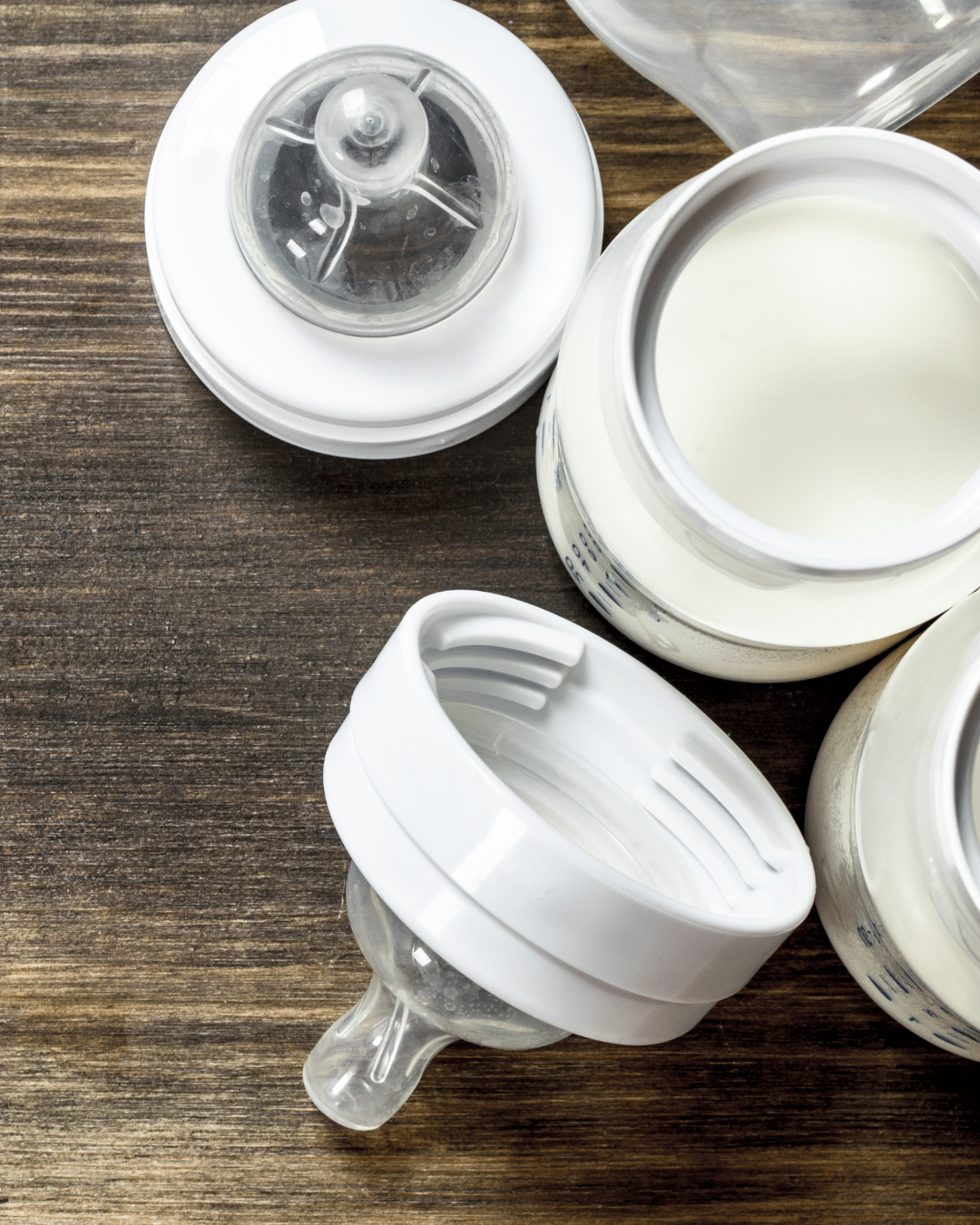
When it comes to feeding your baby, bottle nipple size may not always be at the top of your mind. But did you know that the size and flow of a bottle nipple can make a significant difference in how your baby feeds? Many parents don’t realize that different nipple sizes are designed for different stages of development. Choosing the right one can improve your baby’s feeding experience, ensuring they’re getting the right amount of milk at the right pace.
Why Bottle Nipple Size Matters
Bottle nipples come in a variety of shapes, materials, and sizes. The most crucial factor to consider, however, is the size and flow rate of the nipple. This refers to how much milk comes out when your baby sucks. A lot of parents mistakenly assume that all bottle nipples are the same, but the truth is, the right nipple size depends on your baby’s age, developmental stage, and feeding needs.
Using the wrong nipple size can lead to several feeding issues, such as:
- Milk Flow Issues: If the flow is too fast, your baby may struggle to keep up with the milk and could choke or gag. If the flow is too slow, your baby may become frustrated and not get enough milk.
- Gas and Discomfort: If the nipple isn’t the right size, babies might end up swallowing more air, which can cause discomfort, bloating, or gas.
So, how do you know which nipple size is best for your baby? Let’s break it down by age and feeding needs.
Different Nipple Sizes for Different Stages
Bottle nipples come in different sizes and flow rates, generally categorized into slow, medium, and fast flow options. Many brands also offer variable flow nipples, which can adjust to the baby’s sucking intensity.
Newborn (0-3 months): Slow Flow
For newborns, a slow-flow nipple is recommended. Newborns have small mouths and are still getting used to the sucking motion, so a slower flow allows them to feed at their own pace without feeling overwhelmed. A slow flow also reduces the risk of choking or aspiration.
Most bottles come with a slow-flow nipple for this stage, as it mimics the natural flow of breast milk. Typically, these nipples have a small, controlled hole that only allows a limited amount of milk to come out with each suck.
Infants (3-6 months): Medium Flow
As babies grow and their sucking skills improve, they may need a faster flow of milk. Between 3 and 6 months, most babies can transition to a medium-flow nipple. This allows them to feed more quickly and with less effort, which is essential as they begin to take in larger quantities of milk. At this stage, your baby’s mouth and throat muscles are becoming stronger, and they can handle a bit more milk without choking or gagging.
A medium-flow nipple will have a slightly larger hole compared to a slow-flow nipple, but it should still be controlled enough to prevent a milk spill or choking hazard.
Older Infants (6+ months): Fast Flow
By the time your baby reaches around 6 months, they may be ready for a faster flow. Fast-flow nipples are ideal for babies who have developed their feeding techniques and are consuming larger amounts of milk or formula during each feeding. This faster flow can also be useful as your baby starts eating solid foods, as they may need more liquid to keep them hydrated.
These nipples usually have a wider, more open hole to allow milk to flow more quickly. Keep in mind that not every baby will need a fast-flow nipple right away—some may continue with a medium-flow option for a while longer.
Other Considerations for Choosing Nipple Size
Besides age and developmental stage, there are other factors to consider when choosing the right nipple size for your baby:
- Breastfeeding vs. Bottle-Feeding: If your baby is primarily breastfed, you may want to choose a nipple that closely mimics the breast to help prevent any feeding difficulties. Many bottle nipples are designed to replicate the breast’s shape and movement to make it easier for babies to transition between the two.
- Feeding Frequency and Duration: If your baby is nursing or bottle-feeding often and for longer periods, a slow-flow nipple may be better to prevent them from overeating or becoming fatigued.
- Teething: As babies start teething (usually between 4-7 months), they may become frustrated with regular nipples. Look for nipples that offer softer or more flexible materials to accommodate their sore gums.
Conclusion: Don’t Overlook the Nipple Size
Understanding the different bottle nipple sizes and their importance in your baby’s feeding journey can make a world of difference. Many parents overlook this factor, but choosing the right nipple size based on your baby’s age and developmental stage can help avoid feeding issues and improve your baby’s overall comfort. Whether your baby is a newborn or nearing their first birthday, taking the time to select the right nipple will ensure they enjoy their meals and grow strong and healthy.
If you’re unsure which nipple size is best for your baby, don’t hesitate to ask your pediatrician or consult with a lactation consultant for guidance. And remember—what works for one baby may not work for another, so don’t be afraid to experiment with different sizes until you find the right one.
Need help with your baby’s feeding or looking for support with postpartum care? Contact us at Doulas of Utah today to learn more about how we can assist you in your parenting journey.

One response to “Understanding Bottle Nipple Size”
[…] you do offer that first bottle, keep it relaxed. Choose a slow-flow nipple, pace-feed (meaning the baby takes breaks, just like they would at the breast), and try offering it […]