
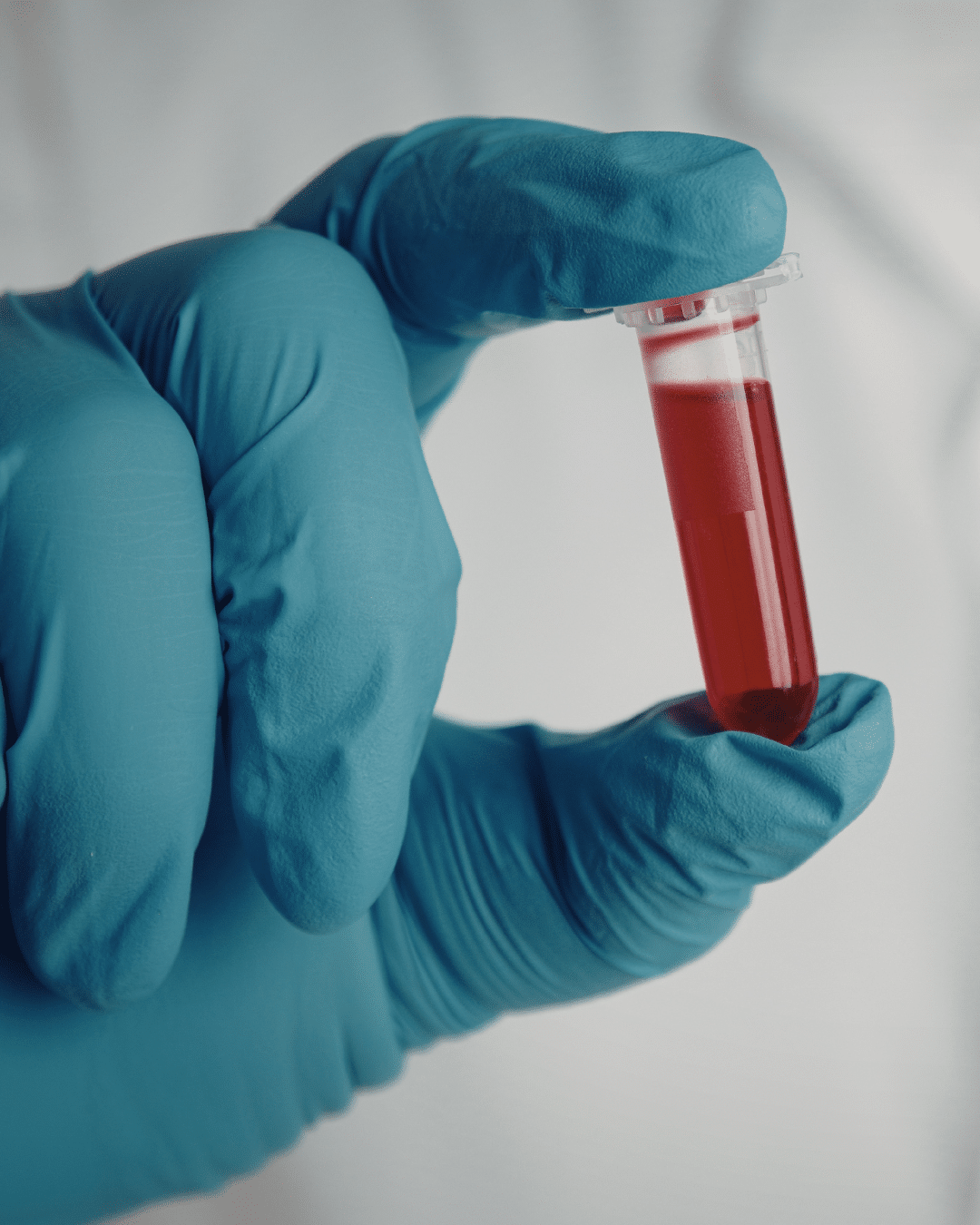
When you first find out you’re pregnant, it can feel like appointments and blood draws start immediately. If you’ve ever wondered what all of it is for, this is prenatal testing explained in a clear, no-pressure way.
Prenatal testing includes screenings and diagnostic tests offered during pregnancy to gather information about your baby’s health and development. Some tests are routine, while others are optional. The key difference? Screening tests estimate the likelihood of certain conditions. Diagnostic tests provide more definitive answers.
In the first trimester, you may be offered blood work and an ultrasound to assess the chance of chromosomal conditions like Down syndrome. Many providers also offer noninvasive prenatal testing (NIPT), a blood test that analyzes fetal DNA circulating in your bloodstream. It’s highly accurate for certain conditions but is still considered a screening test.
Later in pregnancy, the anatomy scan, typically around 18–22 weeks, looks closely at your baby’s growth and organ development. You’ll also likely have routine lab work to check blood type, iron levels, gestational diabetes, and Group B strep.
If a screening test comes back higher risk, your provider may discuss diagnostic options like chorionic villus sampling (CVS) or amniocentesis. These tests can provide clearer answers but are more invasive and carry small risks.
It’s important to know: you have choices. You can ask:
- What is this test looking for?
- Is it a screening or diagnostic test?
- How accurate is it?
- What would we do with the results?
Some families want all available information. Others prefer minimal testing unless medically necessary. There isn’t a one-size-fits-all approach, just the one that aligns with your values, health history, and comfort level.
Understanding prenatal testing helps you feel more informed and less overwhelmed at appointments. Ask questions, take your time when possible, and remember that you are an active participant in your care.
If you’d like support navigating these decisions, a birth doula can help you process information, prepare questions, and feel confident walking into each visit. Reach out to a birth doula today!
