
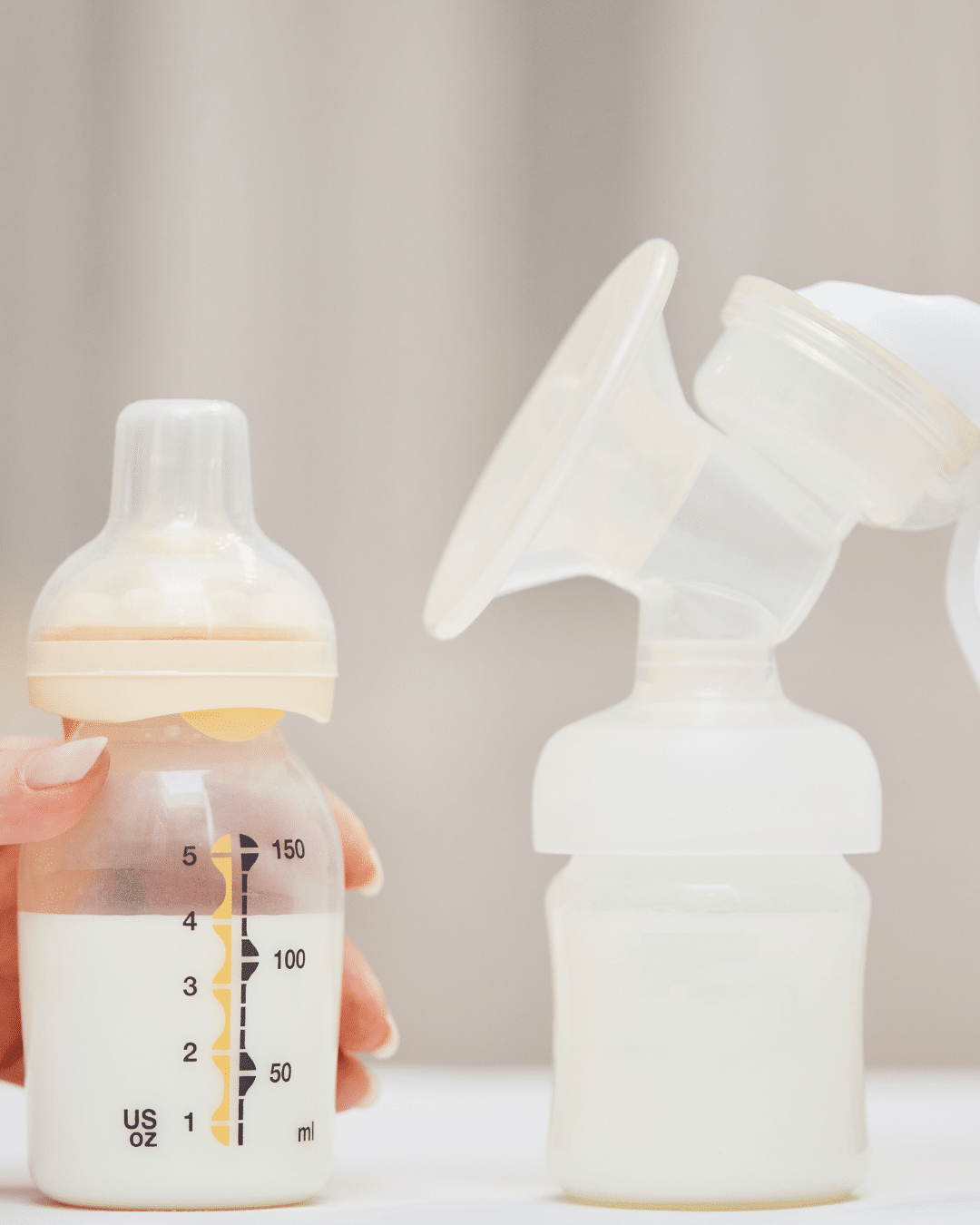
Pumping can be a great way to ensure your baby gets breast milk while also allowing for flexibility in feeding. Whether you’re exclusively pumping, building a freezer stash, or balancing pumping with breastfeeding, knowing when, how, and how often to pump can make the process easier. As a postpartum doula, I’ve helped many parents navigate this journey, and I want to share some pumping tips from a postpartum doula to help make your experience smoother and more effective.
Scheduling Your Sessions: Pumping Tips from a Postpartum Doula
One of the biggest challenges new parents face with pumping is figuring out when and how often to pump. The right schedule depends on your feeding goals:
- Exclusively Pumping – If your baby isn’t nursing, aim to pump every 2-3 hours, mimicking a newborn’s feeding schedule (8-12 times per day).
- Supplementing Breastfeeding – Pump after morning feeds or between feedings to increase milk production or build a small stash.
- Building a Freezer Stash – If you’re preparing for work or occasional bottle feeds, pump once or twice daily in addition to breastfeeding.
- Pumping at Work – To maintain supply, pump every 3 hours (about 3 times in an 8-hour workday).
Sample Pumping Schedule
If you’re exclusively pumping, your schedule might look like this:
- 6 AM, 9 AM, 12 PM, 3 PM, 6 PM, 9 PM, 12 AM, 3 AM
For a working parent nursing at home, your schedule could be:
- Morning nursing session → Pump at 9 AM, 12 PM, and 3 PM at work → Nurse in the evening.
For building a freezer stash, a good approach is:
- Pump after the first morning feed (when supply is highest) or before bed.
How to Increase Your Milk Supply: Pumping Tips from a Postpartum Doula
If you’re worried about low milk supply, here are some pumping tips from a postpartum doula to help boost production:
1. Pump More Often
Milk production is based on supply and demand. Pumping more frequently tells your body to make more milk.
2. Try Power Pumping
Power pumping mimics a baby’s cluster feeding and can increase supply. Try this:
- Pump 20 minutes, rest 10 minutes.
- Pump 10 minutes, rest 10 minutes.
- Pump 10 minutes again.
Repeat this once or twice daily for a few days to see an increase.
3. Pump After Nursing
If your baby isn’t fully emptying the breast, pumping for 10-15 minutes after a feed can help signal your body to produce more.
4. Stay Hydrated and Eat Well
Milk production depends on hydration and nutrition. Drink plenty of water and eat oats, flaxseeds, and brewer’s yeast, which support lactation.
5. Use the Right Pump Settings
Make sure your flange size fits correctly and adjust suction settings to mimic your baby’s natural nursing pattern. Stronger suction isn’t always better—it should feel comfortable.
6. Massage While Pumping
Using breast compressions while pumping can help empty the breast more effectively and increase supply.
Balancing Breastfeeding and Pumping: Pumping Tips from a Postpartum Doula
Many parents want to maintain a healthy balance between nursing and pumping. Here’s how to do it smoothly:
1. Establish Breastfeeding First
If possible, wait a few weeks before introducing pumping to allow your body to regulate supply naturally.
2. Stick to a Routine
Try to pump at the same times each day to maintain consistency and prevent supply dips.
3. Store Milk Properly
- Fresh milk: 4 hours at room temp, 4 days in the fridge, 6-12 months in the freezer.
- Label bottles with the date and use the oldest milk first.
4. Introduce Bottles Gradually
To help your baby accept a bottle, start around 3-4 weeks old and have someone else offer the bottle to avoid confusion.
5. Avoid Engorgement
If you’re away from your baby for long stretches, pump regularly to prevent discomfort and maintain supply.
Final Thoughts: Pumping Tips from a Postpartum Doula to Make Your Journey Easier
Pumping can feel like a lot to manage at first, but with the right approach, it becomes a flexible and empowering way to feed your baby. Whether you’re exclusively pumping, balancing it with breastfeeding, or building a freezer stash, these pumping tips from a postpartum doula can help make the process smoother.
Need Personalized Support on Your Pumping Journey?
Every parent’s pumping experience is unique, and having the right support can make all the difference. If you’re feeling overwhelmed or want expert guidance tailored to your needs, our team of experienced postpartum doulas is here to help!
At Doulas of Utah, we provide hands-on support with pumping, breastfeeding, newborn care, and postpartum recovery—so you can feel confident and supported every step of the way.
Ready to get started? Contact us today to learn more about our postpartum doula services and how we can support you during this special time. Click here to get in touch!
