
Childbirth is unique for every person and situation, and sometimes, circumstances may arise that lead to the induction of labor. In this blog post, we delve into the concept of labor induction, addressing key aspects such as what it means, important questions to ask your care provider, and specific details about the induction process.
What Does Induction of Labor Mean?
Labor induction is a medical intervention designed to stimulate uterine contractions and promote the onset of labor before it begins naturally. This procedure is typically recommended when there are concerns about the health of the mother or the baby. Induction is most commonly considered in cases of medical conditions such as gestational diabetes or preeclampsia. In some circumstances, a provider may recommend induction if a pregnancy has gone past the 40-week mark. You can find the most up-to-date evidence on inducing for due dates here.
The decision to induce labor is a careful one, made collaboratively between the pregnant person and their healthcare provider. It is essential for expectant parents to be informed about the process and its implications to make well-informed decisions aligned with their birth preferences. This greater understanding can generally be achieved by asking more questions of your provider as you are discussing induction.
Topics to Discuss with Your Care Provider About Induction:
Bishop’s Score
The Bishop’s Score is a numerical assessment used by healthcare providers to evaluate the readiness of the cervix for induction of labor. It considers five key factors: cervical dilation, effacement (thinning of the cervix), station (position of the baby’s head in the pelvis), consistency (softness of the cervix), and position (orientation of the cervix). Each of these factors is assigned a score, and the total score provides an indication of how favorable the cervix is for induction. A higher Bishop’s Score suggests a more favorable cervix, increasing the likelihood of a successful induction. This scoring system aids healthcare providers in making informed decisions about the most appropriate methods and timing for labor induction based on the individual characteristics of the cervix and the overall health of both the mother and the baby.
When discussing induction with your care provider, consider asking:
- What is my Bishop’s Score, and what does it indicate about the readiness of my cervix for induction?
- Are there any factors in my Bishop’s Score that might impact the success of the induction process?
What Method Will Be Used:
There are various methods of inducing labor, and your care provider will choose the most suitable one based on your individual circumstances. Common methods include the use of prostaglandins, oxytocin, or artificial rupture of membranes. It’s crucial to discuss the chosen method or methods with your healthcare provider to understand its potential benefits and risks.
Ask your care provider:
- What method of induction do you recommend for me, and why?
- What are the potential side effects or risks associated with the chosen method?
- Are there alternative methods available, and what are their respective advantages and disadvantages?
What Will the Process Look Like:
Understanding the induction process helps alleviate anxiety and allows you to mentally prepare for the upcoming experience. Inquire about the specific steps involved, including the expected duration of the induction, monitoring procedures, and any potential interventions that may be required.
Questions to ask your care provider include:
- Can you walk me through the stages of the induction process?
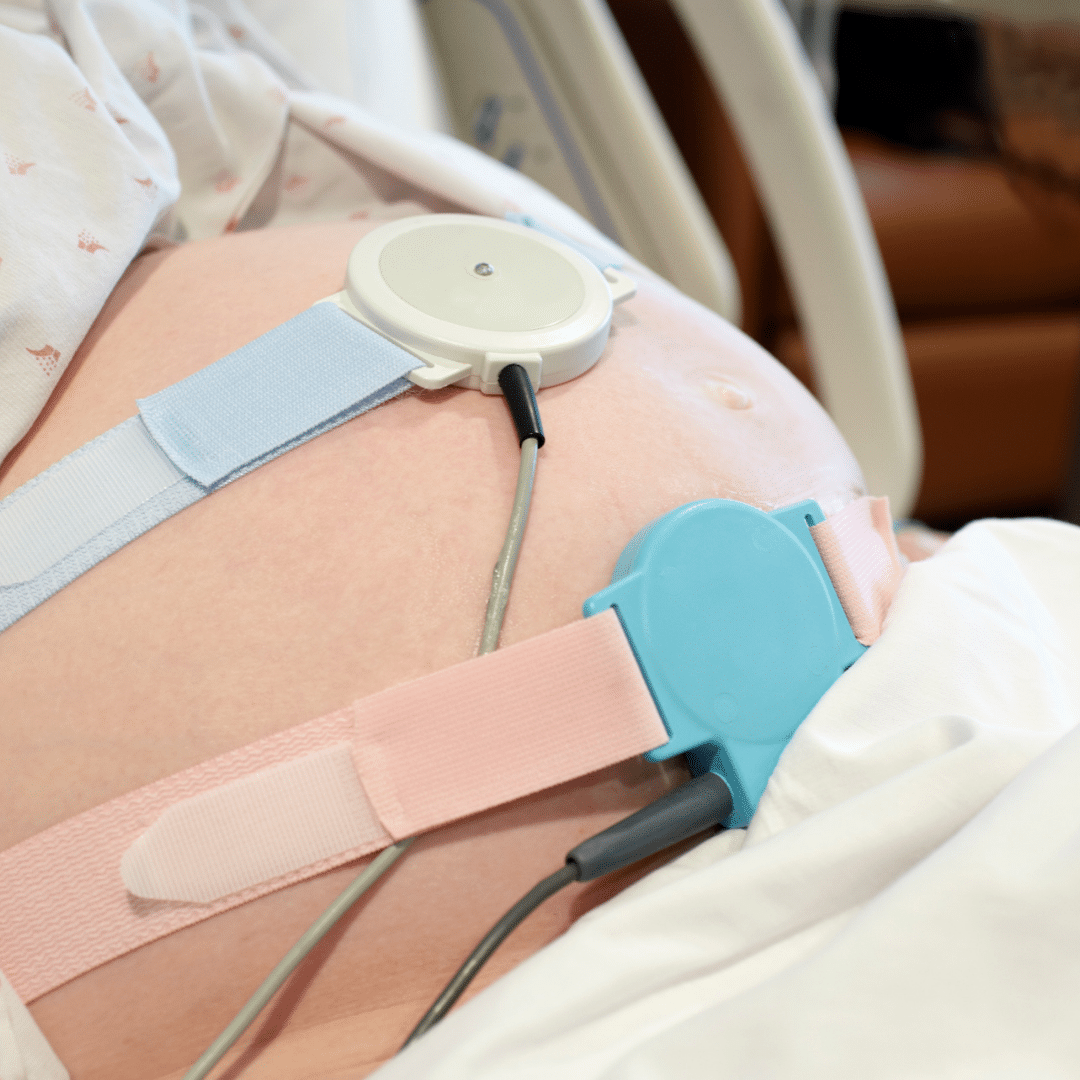
- How will my labor be monitored during induction, and what interventions might be necessary?
- What is the expected timeline for the induction, and how will we know if it is progressing as expected?
The decision to induce labor is a significant one, and being well-informed is key to ensuring a positive birthing experience. By asking pertinent questions about the Bishop’s Score, the chosen method, and the overall process, you empower yourself to actively participate in the decision-making process. At Doulas of Utah, we are committed to supporting you every step of the way, providing guidance, and fostering an environment where your choices are respected and honored. Knowledge is your greatest ally on this incredible journey into parenthood.

2 responses to “Induction of Labor”
[…] you are considering an induction for reaching or passing your due date, whether due to any of the risks listed above or for any […]
[…] a doula, I had my first baby. I had an unplanned and difficult cesarean with her after a 36 hour induction and if I’m being completely honest, I don’t remember a whole lot of those initial days […]