
One challenge that many women face is postpartum breast engorgement. This uncomfortable condition occurs when the breasts become overly full and swollen with milk, causing discomfort and potential complications for both the woman and her breastfeeding baby. In this blog post, we’ll delve into the when and why of postpartum breast engorgement and explore various tools and techniques to alleviate the discomfort associated with this common postpartum concern.
When and Why Does Engorgement Occur?
Postpartum breast engorgement typically occurs within the first few days after childbirth. This is a natural response as a woman’s body transitions from pregnancy to lactation. The surge in hormones, particularly the rise in prolactin, signals the body to produce milk for the newborn. While this process is crucial for the well-being of the baby, it can lead to engorgement as the body adjusts to the baby’s feeding needs.
Several factors contribute to the onset of postpartum breast engorgement:
- Milk Production Onset: As the body starts producing milk, the breasts may become engorged as they adjust to the new demands.
- Baby’s Feeding Schedule: The frequency and duration of breastfeeding sessions can impact engorgement. Irregular feeding patterns or long intervals between feeds may contribute to increased breast fullness.
- Latch Issues: Difficulties with the baby’s latch onto the breast can hinder effective milk removal, leading to engorgement.
- Supplementary Feeding: If the baby receives formula or expressed milk through bottles, it can disrupt the natural breastfeeding routine and contribute to engorgement.
Coping with Breast Engorgement
Fortunately, there are several tools and techniques available to help women navigate the discomfort associated with postpartum breast engorgement.
- Frequent Nursing: Ensuring that the baby breastfeeds frequently is one of the most effective ways to manage engorgement. The more the baby feeds, the better the body can regulate milk production and prevent excessive swelling.
- Proper Latching Techniques: Addressing any latch issues early on can promote effective milk removal, reducing the likelihood of engorgement. Seeking guidance from a lactation consultant or healthcare provider can be invaluable in achieving a correct latch.
- Cold Compresses: Applying cold compresses to the engorged breasts can help reduce swelling and alleviate pain. This can be achieved using ice packs, which some women find soothing.
- Warm Compresses or Showers: Alternating cold compresses with warm compresses or taking warm showers can enhance blood flow to the breasts and encourage milk letdown, providing relief from engorgement.
- Hand Expression: Gently expressing a small amount of milk by hand before breastfeeding can soften the breast, making it easier for the baby to latch and reducing discomfort.
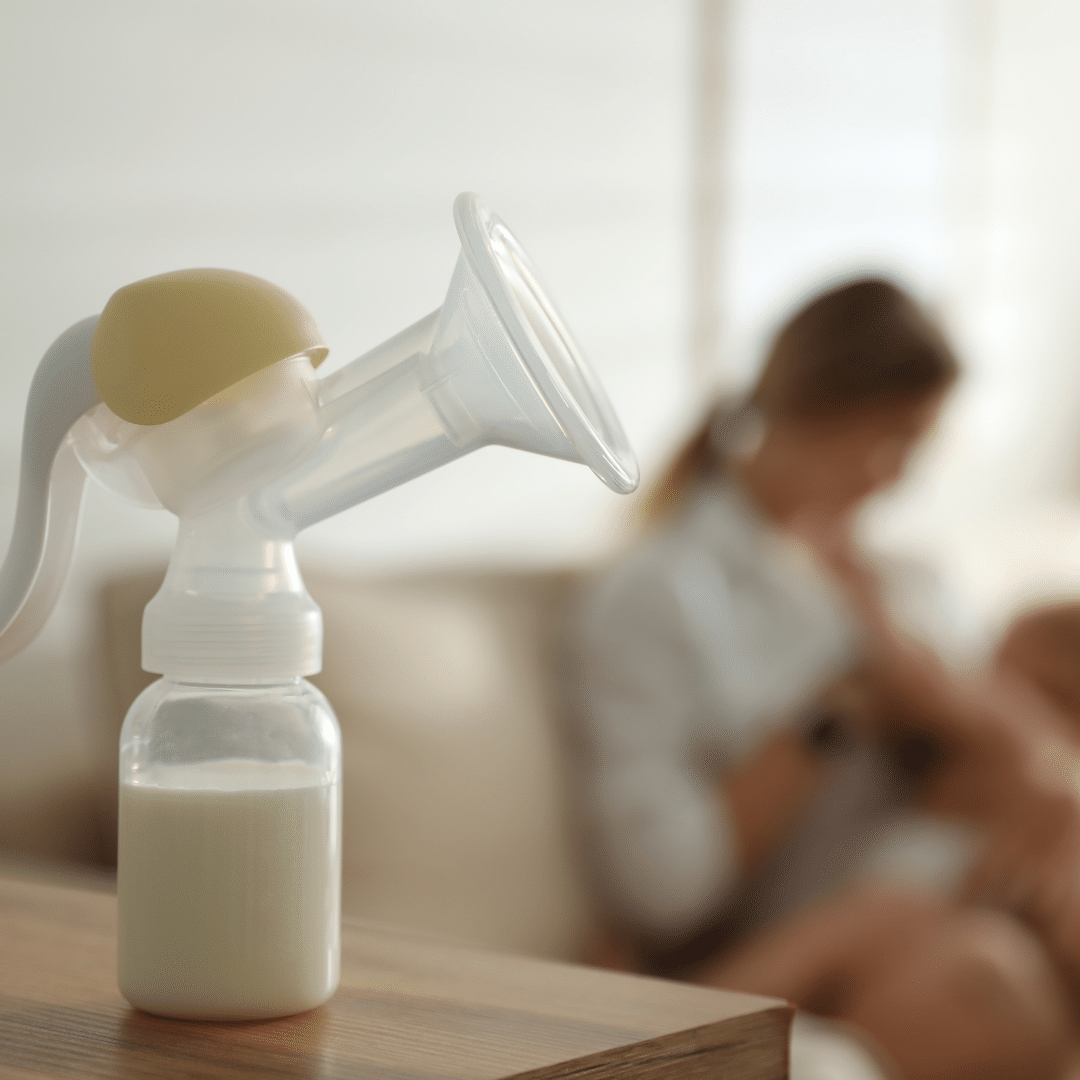
- Use of Breast Pump: In some cases, a breast pump may be recommended to express milk and relieve engorgement, especially if the baby is unable to latch effectively. It’s essential to use the pump cautiously to avoid overstimulating milk production.
- Comfortable Supportive Bras: Wearing a well-fitted, supportive bra can help manage engorgement by providing proper support to the breasts.
Postpartum breast engorgement is a common occurrence, but with the right tools and techniques, it can be effectively managed. By understanding the when and why of engorgement and implementing strategies such as frequent nursing, proper latching, and the use of cold and warm compresses, women can navigate this temporary phase with greater ease. Seeking support from healthcare providers and experienced lactation consultants can further enhance the journey through postpartum breast engorgement, ensuring both mom and baby can enjoy the bonding experience that breastfeeding brings.
